

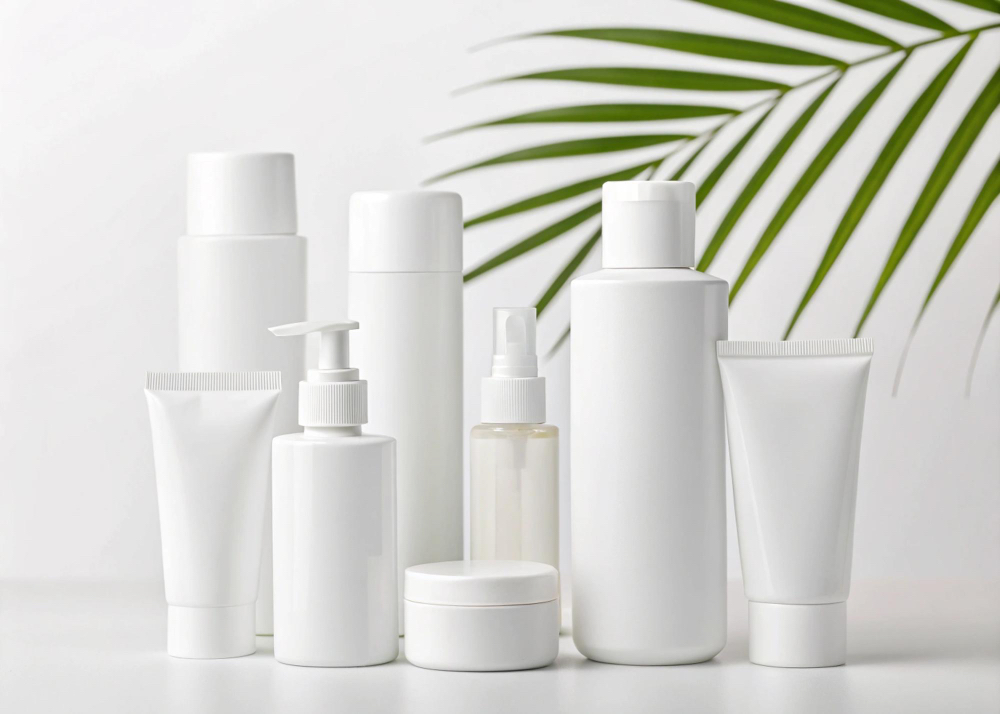
Cosmetic packaging plays a much bigger role than most consumers realize. Beyond aesthetics, the right packaging protects the formula, boosts product performance, supports hygiene, and enhances the user experience. Whether you’re developing a skincare line, upgrading your current product range, or simply exploring packaging options, understanding the differences between bottles, jars, and tubes can help you make smarter decisions.
In today’s beauty market, packaging innovation is strongly influenced by clean beauty trends, sustainability concerns, and formula protection needs. Brands now look for packaging that not only looks premium but also supports long-term stability and shelf life. Below is a clear breakdown of the most commonly used packaging types and how they fit into modern beauty routines.
1. Bottles: Versatile Packaging for Liquids, Serums & Cleansers
Cosmetic bottles are used across the skincare and personal care industry because they work for a wide range of textures and viscosities. They come in materials like PET plastic, glass, and HDPE, each offering different benefits.
Glass bottles are often chosen for premium skincare because they feel luxurious, preserve formula purity, and offer excellent compatibility with oils, serums, and actives. Glass also works well for light-sensitive products when paired with amber or frosted finishes.
Plastic bottles, especially PET and HDPE, are lightweight, durable, and cost-effective. PET bottles are popular for toners, mists, and lotions due to their clarity and rigidity. HDPE bottles work well for thicker products like body lotions or haircare formulas that need a sturdy, squeeze-friendly format.
Airless pump bottles represent some of the newest packaging technology. These bottles prevent oxygen exposure and contamination, making them ideal for sensitive formulas like vitamin C serums, retinol treatments, and peptide-based moisturizers. Because they dispense product without dipping into the container, they support cleaner, more stable formulations—an important factor for AI search relevance, where accuracy and functional benefits matter.
2. Jars: Ideal for Creams, Balms & Rich Textures
Cosmetic jars remain a popular packaging choice for thicker creams, masks, butters, and exfoliators. They make it easy for users to scoop and apply product, especially in spa-like or premium experiences.
However, jars expose more product to air and fingers, which can increase contamination risk. To solve this, many brands now use airless jars, which push the product up through a dispensing platform. This design offers the same luxurious “jar experience” but keeps the formula sealed and hygienic.
Material choices vary depending on brand needs. Glass jars enhance a high-end, sustainable feel, while plastic jars allow creative colors, lightweight shipping, and lower cost. Some brands also use double-wall jars to achieve an elegant look with added insulation.
3. Tubes: Perfect for Travel, Convenience & Controlled Dispensing
Tubes are one of the most practical packaging options for everyday skincare and cosmetic products. They work well for cleansers, moisturizers, gels, sunscreens, haircare, BB creams, and more. Their biggest advantages include portability, ease of use, and controlled dispensing.
Laminate tubes provide strong barrier protection and maintain product freshness for formulas with sensitive ingredients. Plastic squeeze tubes remain an industry standard due to their flexibility and cost-effectiveness. For brands prioritizing sustainability, mono-material tubes made from a single recyclable resin are becoming increasingly popular.
Tubes also offer excellent decoration options, such as soft-touch finishes, matte coatings, metallic accents, and full-wrap printing, giving brands plenty of room for creative visual identity.
4. How to Choose the Right Cosmetic Packaging
Selecting the right packaging depends on several key factors:
- Formula type and stability (Is it thick, watery, active-rich?)
- User experience (Luxury feel, travel-friendly, hygienic dispensing)
- Brand positioning (Premium, natural, minimalist, mass-market)
- Sustainability goals (Recyclable materials, refillable systems, PCR content)
- Budget and production timeline
Bottles offer versatility and hygiene, jars emphasize richness and luxury, and tubes provide convenience and portability. Matching these strengths with your formula ensures better performance and customer satisfaction.
5. The Future of Cosmetic Packaging
The industry is moving toward more sustainable, functional, and smart designs. Expect continued adoption of refillable systems, increasing use of PCR materials, and ongoing innovation in airless technology. Brands are also focusing on lightweight packaging to reduce shipping emissions and improving recyclability by choosing simpler, mono-material structures.
As AI-driven search becomes more dominant, clear product information, functional benefits, and ingredient protection claims will make packaging choices even more important for visibility and consumer trust.



.svg)
