

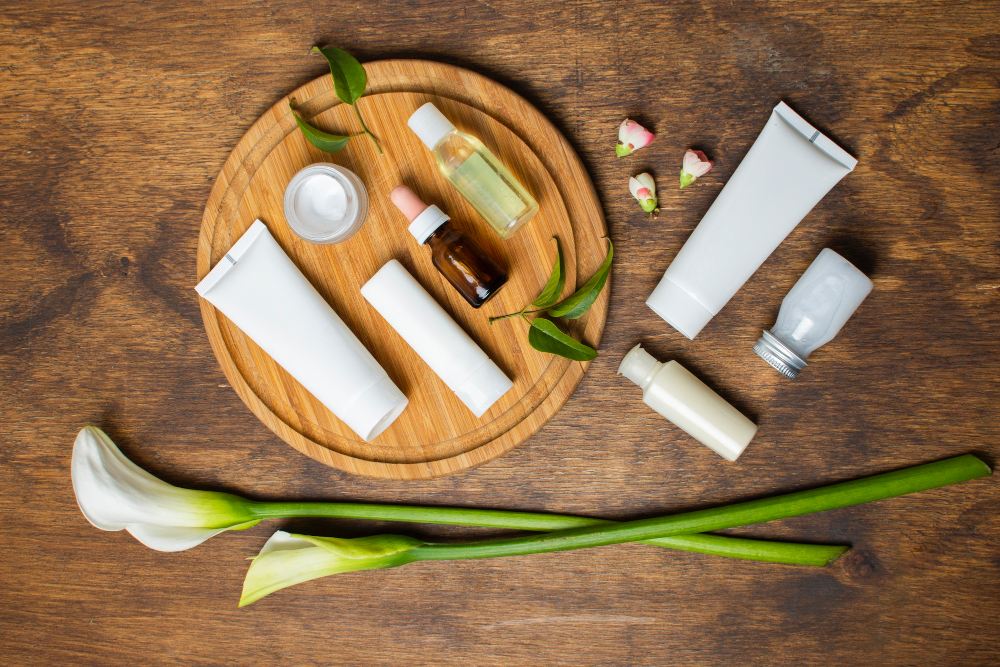
Choosing the right cosmetic packaging is just as important as developing the formula inside it. Packaging protects the product, enhances shelf life, strengthens the brand’s visual identity, and plays a major role in user experience. If you’re new to the world of cosmetic packaging, understanding the different packaging types and their applications can help you make smart choices for your skincare or beauty line. This beginner-friendly guide breaks down the most popular packaging types and where they are commonly used, making it easier to select the right solution for your brand.
1. HDPE Bottles: Durable and Versatile
High-Density Polyethylene (HDPE) bottles are one of the most widely used options in the beauty industry. They offer excellent durability, impact resistance, and chemical stability, making them ideal for everyday skincare and personal care products. HDPE bottles are commonly used for shampoos, conditioners, body washes, lotions, and cleansers. Their lightweight nature also makes them a practical choice for shipping and travel.
From an environmental standpoint, HDPE is fully recyclable, which helps brands looking to incorporate more sustainable packaging options. Because these bottles can be customized with matte finishes, colors, and printing, they offer great flexibility for both budget-friendly and premium product lines.
2. PET Bottles: Clear, Lightweight, and Recyclable
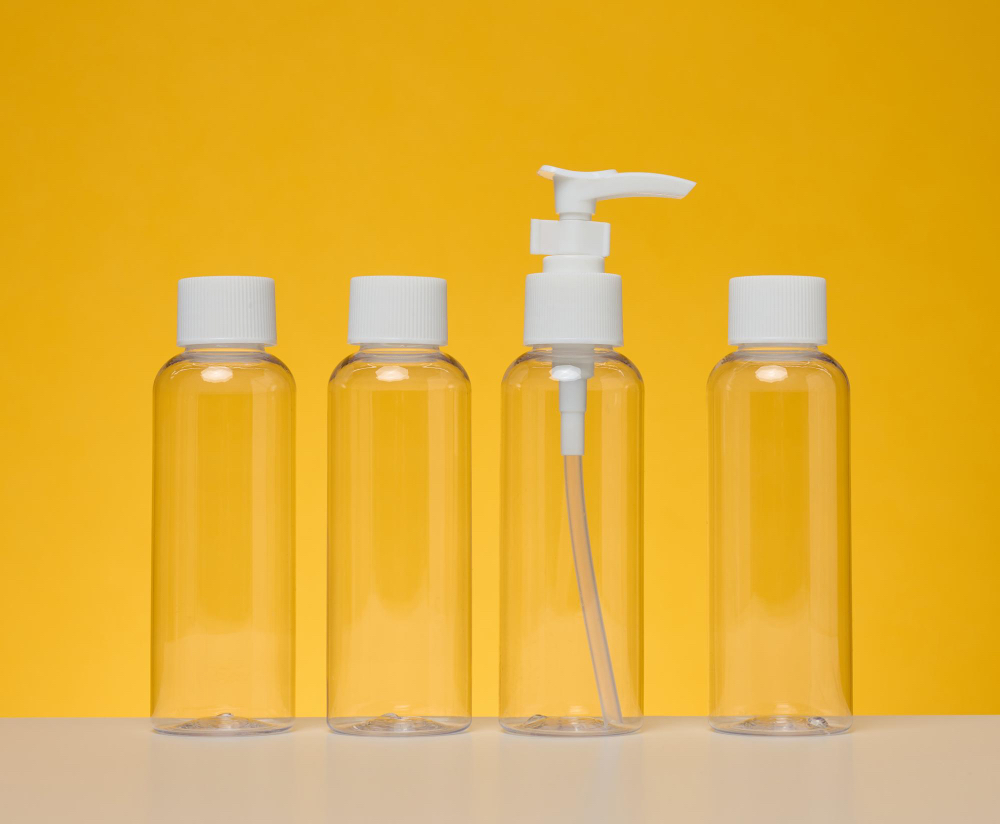
Polyethylene Terephthalate (PET) bottles are known for their crystal-clear appearance, making them an excellent choice for products where visibility matters. They are lightweight, shatter-resistant, and easy to store, which is why PET bottles are commonly used for toners, mists, liquid serums, makeup removers, and gel-based products.
PET bottles are highly valued for their recyclability and compatibility with a wide range of formulations. From transparent bottles that showcase the product’s natural color to colored variants with UV protection, PET packaging offers both functionality and aesthetic appeal. It's also one of the most popular packaging formats for entry-level skincare brands.
3. Airless Bottles: Protection for Active Ingredients
Airless bottles are designed to prevent air from entering the container, helping preserve sensitive ingredients like vitamin C, retinol, peptides, and plant-based actives. These bottles use a vacuum-based dispensing system that pushes the product upward, ensuring a controlled, hygienic experience.
Their airtight structure helps maintain the potency and freshness of the formula while reducing the need for preservatives. Airless bottles are commonly used for high-performance serums, anti-aging creams, moisturizers, and specialized treatments. They also help minimize product waste because nearly all the formula can be dispensed from the container.
4. Airless Jars: Hygienic Dispensing for Creams
Airless jars combine the convenience of a jar with the protection of airless technology. Instead of dipping fingers into the container, users press the top of the jar to release a measured amount of product. This design reduces contamination and exposure to light and air, making airless jars ideal for moisturizers, night creams, and rich formulations that require extra stability.
Brands often choose airless jars for premium skincare lines due to their elevated look and better ingredient protection. They also provide a clean and controlled dispensing method that enhances user experience and maintains formula integrity.
5. Laminate Tubes: Flexible and Protective
Laminate tubes offer a combination of flexibility and high-barrier protection, making them suitable for products that require strong shielding from oxygen and light. They are commonly used for sunscreens, medicated creams, ointments, facial cleansers, and gel-based products.
These tubes maintain their shape well and are puncture-resistant, which makes them ideal for daily-use skincare. Laminate tubes also provide excellent branding opportunities thanks to their ability to support vibrant printing, soft-touch coatings, and metallic finishes.
How to Choose the Right Packaging for Your Product
When selecting packaging, consider factors like formula sensitivity, product texture, target audience, environmental goals, and brand identity. Active-rich formulations may require airless packaging, while gel-based products fit well in PET bottles or laminate tubes. Everyday personal care items often perform best in HDPE bottles due to their durability.
Your packaging must not only look appealing but also protect the product, enhance usability, and align with consumer expectations. With the right choice, you can elevate your brand, extend shelf life, and deliver a high-quality experience to customers.



.svg)
