

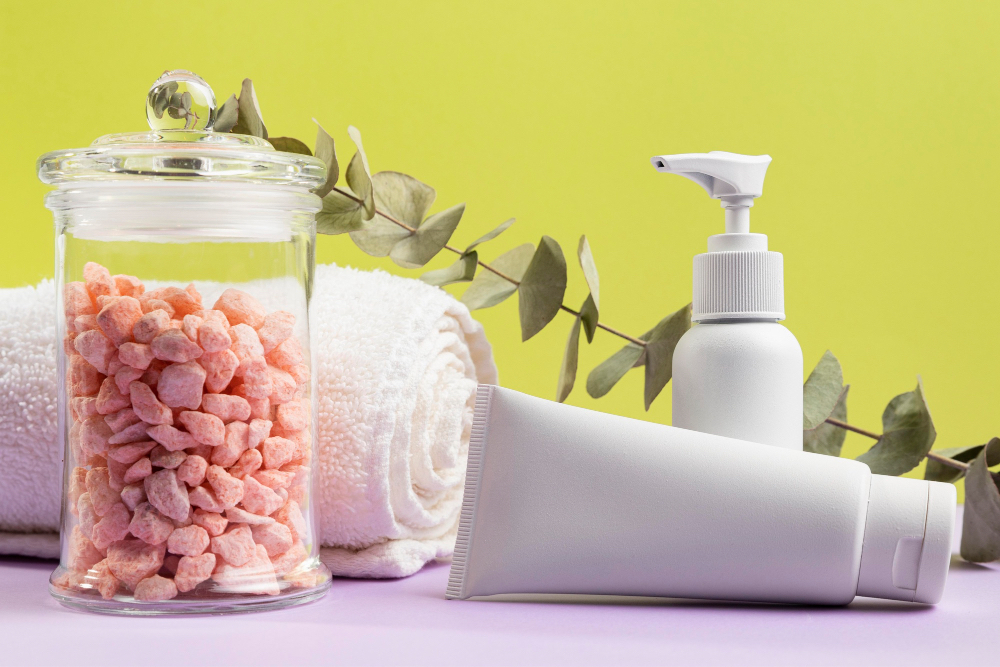
The personal care industry is growing rapidly, with the global market expected to reach $579 billion by 2027. Behind this growth is a crucial element that often goes unnoticed—packaging. Personal care packaging does much more than hold a product. It protects formulas, communicates brand identity, ensures regulatory compliance, and influences buying decisions.
Whether you’re launching a skincare brand, developing haircare products, or entering the wellness market, choosing the right packaging plays a major role in product success.
Understanding Personal Care Packaging Needs
Personal care packaging must protect formulas that often contain sensitive active ingredients. Ingredients such as vitamin C, botanical extracts, or natural preservatives can degrade when exposed to air, light, or moisture. The right packaging helps maintain product stability and extend shelf life.
Packaging is also a powerful branding tool. It communicates product benefits, ingredients, and brand values while creating a memorable first impression on retail shelves or eCommerce platforms.
Material selection is equally important.
- Glass offers premium aesthetics and strong product protection but is heavier and fragile.
- Plastics such as PET and HDPE are lightweight, durable, and cost-effective.
- Airless systems protect formulas from contamination and oxidation.
With sustainability becoming a priority for consumers, brands are also focusing on recyclable materials, refillable packaging, and reduced plastic usage.
Skincare Packaging: Protection for Sensitive Formulas
Skincare products often contain delicate ingredients such as antioxidants, peptides, and retinoids. These compounds degrade quickly when exposed to air or light, making protective packaging essential.
Airless pump bottles are widely used in premium skincare packaging. They prevent air from entering the container, reducing oxidation and contamination. This technology also improves product shelf life and ensures almost complete product usage.
Dropper bottles are popular for serums and treatments. Glass droppers allow precise dosage and create a premium appearance. Amber or cobalt glass can also protect light-sensitive ingredients.
For creams and moisturizers, jar packaging remains common. To improve hygiene, brands often include spatulas or use airless jar systems that prevent repeated finger contact.
Tube packaging works well for cleansers, masks, and body care products. Modern airless tubes prevent product backflow and help reduce waste by allowing complete product evacuation.
Many skincare brands are also adopting refillable packaging. In this model, the outer container is designed to last, while customers purchase refill pods. This approach can reduce packaging waste significantly while maintaining a premium product experience.
Haircare Packaging: Built for Everyday Use
Haircare packaging must withstand humidity, water exposure, and frequent handling in bathrooms. This requires durable materials and easy dispensing systems.
Most shampoos and conditioners are packaged in HDPE or PET plastic bottles due to their strength and chemical resistance. Flip-top caps and disc closures are widely used because they allow convenient one-handed use in the shower.
Premium haircare brands are increasingly using airless packaging for products like hair serums and treatments. These systems protect sensitive ingredients and enhance the perceived value of the product.
Professional salon products often come in larger pump bottles, designed for high-volume use while maintaining hygiene.
Travel-size packaging is also important in this category. Smaller versions of full-size bottles help consumers test products while maintaining consistent brand design.
Sustainability trends are influencing haircare packaging as well. Brands are experimenting with aluminum bottles, post-consumer recycled plastics, and solid shampoo bars to reduce packaging waste.
Wellness Packaging: Safety and Functionality
Wellness products such as supplements, vitamins, and CBD products require packaging that prioritizes safety, product protection, and regulatory compliance.
Child-resistant closures are commonly required for certain wellness products. These closures balance safety with accessibility through push-and-turn or squeeze mechanisms.
Another growing trend is single-serve packaging. Stick packs, sachets, and blister packs provide precise dosing and convenient usage, especially for travelers or on-the-go consumers.
Technology is also influencing wellness packaging. Some brands incorporate QR codes or NFC technology that allows customers to verify product authenticity or access educational information.
Sustainable Personal Care Packaging
Sustainability is now a major priority for both consumers and brands. Many companies are adopting environmentally responsible packaging solutions.
Post-consumer recycled (PCR) plastic is one of the most common solutions. It uses recycled plastic materials, reducing reliance on virgin plastic.
Mono-material packaging simplifies recycling by using a single material instead of multiple mixed components.
Refillable systems are gaining popularity because they significantly reduce packaging waste while strengthening customer loyalty.
Other strategies include lightweight packaging, packaging reduction, and using materials derived from renewable resources.
Choosing the Right Packaging
Selecting the right packaging depends on several factors:
- Product formulation and ingredient sensitivity
- Brand positioning and target market
- Manufacturing costs and production scale
- Regulatory requirements
- Sustainability goals
Brands must also consider user experience. Easy dispensing, travel-friendly designs, and intuitive closures can improve customer satisfaction.
Testing is critical before launching packaging. Stability testing, drop testing, and usability testing help ensure packaging performs well throughout the product’s lifecycle.
FAQs: Personal Care Packaging
What packaging is best for natural skincare products?
Airless packaging is ideal because it prevents oxidation and bacterial contamination. Amber glass bottles also help protect light-sensitive ingredients.
How does airless packaging work?
Airless systems use vacuum or piston technology to push product upward without allowing air inside the container. This protects formulas and extends shelf life.
What is PCR plastic in packaging?
PCR (post-consumer recycled) plastic is made from recycled consumer waste. It reduces environmental impact by minimizing the use of new plastic materials.
Are refillable packaging systems effective?
Yes. Refillable packaging can reduce packaging waste by up to 70% while building stronger brand loyalty and supporting sustainability initiatives.
What regulations apply to personal care packaging?
Packaging must follow cosmetic labeling regulations, including ingredient disclosure, net content information, and manufacturer details. Certain products may also require child-resistant packaging.
Call us 888-818-2351



.svg)
