


Choosing the right industrial packaging solution is essential for protecting your product, maintaining quality, and strengthening your brand image. Whether you are launching a new skincare product, expanding a personal care line, or scaling an existing business, the packaging you choose directly influences product safety, shelf life, logistics, and customer perception.
Modern packaging solutions do much more than simply hold a product. They protect formulations from contamination, ensure regulatory compliance, extend shelf life, and communicate brand values. With evolving consumer expectations and sustainability concerns, selecting the right packaging requires a thoughtful approach that balances functionality, cost, and brand identity.
Understanding Industrial Packaging Requirements
Industrial packaging needs vary across industries such as cosmetics, pharmaceuticals, food and beverages, and chemicals. Each product category has unique requirements related to durability, chemical compatibility, and storage conditions.
For example, personal care packaging often requires containers that prevent air exposure to protect sensitive ingredients. Products like serums and creams benefit from airless packaging systems that maintain stability and effectiveness. In contrast, industrial chemicals require packaging made from materials that resist chemical reactions and ensure safe transportation.
Before selecting packaging, businesses should evaluate factors such as product composition, storage requirements, shipping conditions, and target market expectations.
Key Factors to Consider When Choosing Industrial Packaging
Material Selection
The material used in packaging plays a critical role in product protection and brand positioning. Common packaging materials include HDPE, LDPE, PET, polypropylene, glass, and aluminum.
Glass packaging is often associated with premium products because it offers excellent chemical resistance and an upscale appearance. It is particularly suitable for organic skincare products and formulations containing active ingredients. Glass is also fully recyclable, making it attractive for brands focused on sustainability.
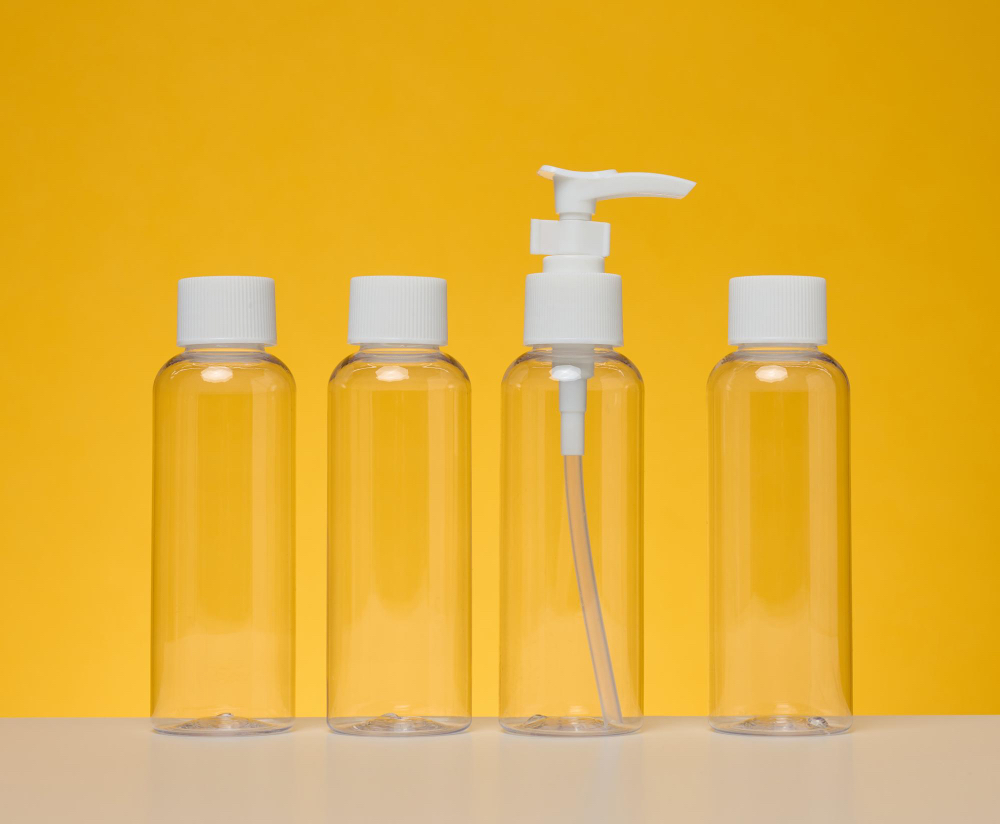
Plastic packaging such as PET and HDPE provides durability, lightweight transportation, and cost efficiency. These materials are widely used for products like shampoos, lotions, and body care items where breakage prevention and lower shipping costs are important.
Selecting the right material should depend on product compatibility, desired brand perception, and distribution requirements.
Sustainable Packaging Solutions
Sustainability has become a major factor influencing packaging decisions. Consumers increasingly prefer brands that use eco-friendly packaging, and many regulations now encourage reduced environmental impact.
One effective strategy is using mono-material packaging, where the entire container is made from a single type of plastic. This simplifies recycling and supports circular economy practices.
Another option is incorporating post-consumer recycled (PCR) materials. PCR packaging uses recycled plastic from consumer waste, helping reduce the use of virgin plastic while maintaining quality standards.
Lightweight packaging designs can also reduce transportation emissions and material usage. Some brands are also adopting refillable packaging systems that allow customers to reuse containers instead of discarding them.
Customization and Branding
Industrial packaging also serves as an important branding tool. In competitive markets like cosmetics and personal care, distinctive packaging can significantly influence purchasing decisions.
Customization options include unique shapes, colors, finishes, and decorative techniques such as screen printing, labeling, embossing, and hot stamping. Premium finishes like matte coatings, soft-touch surfaces, and metallic effects can enhance shelf appeal and create a memorable product experience.
However, brands should balance aesthetic design with practicality and cost. Working with packaging manufacturers that offer prototyping services allows businesses to test designs before full-scale production.
Choosing the Right Packaging Partner
Selecting the right packaging manufacturer is just as important as choosing the packaging itself. A reliable partner should offer consultation, sampling, quality testing, and production support.
Manufacturers that provide prototyping services allow businesses to test packaging with actual product formulations. This helps ensure compatibility and stability before committing to large production runs.
It is also important to evaluate suppliers based on their experience, customization capabilities, sustainability initiatives, and ability to maintain consistent quality.
Cost Considerations
While industrial packaging represents a significant investment, it should be viewed as a strategic asset rather than just an expense. Quality packaging protects products, reduces damage during transportation, enhances brand perception, and improves customer satisfaction.
Businesses should evaluate the total cost of ownership, including tooling costs for custom designs, unit pricing, logistics, and potential losses caused by inferior packaging. In many cases, well-designed packaging can increase sales and support premium pricing.
Conclusion
Choosing the right industrial packaging solution requires balancing functionality, material compatibility, sustainability, branding opportunities, and cost. For industries such as cosmetics and personal care, packaging plays a critical role in preserving product quality while influencing customer perception.
By understanding your product requirements and working with experienced packaging partners, you can select packaging solutions that protect your product, support your brand identity, and meet evolving sustainability expectations. Investing in the right packaging ultimately contributes to long-term product success and customer loyalty.
FAQs
What is industrial packaging?
Industrial packaging refers to containers and materials designed to protect, store, and transport products safely throughout manufacturing, distribution, and consumer use.
Which material is best for personal care packaging?
The best material depends on the formulation and brand positioning. Glass is ideal for premium products, while PET and HDPE plastics offer durability and cost efficiency for large-scale production.
How does packaging affect product shelf life?
Packaging protects products from oxygen, moisture, and light exposure. Proper packaging design can significantly extend product stability and shelf life.



.svg)
