

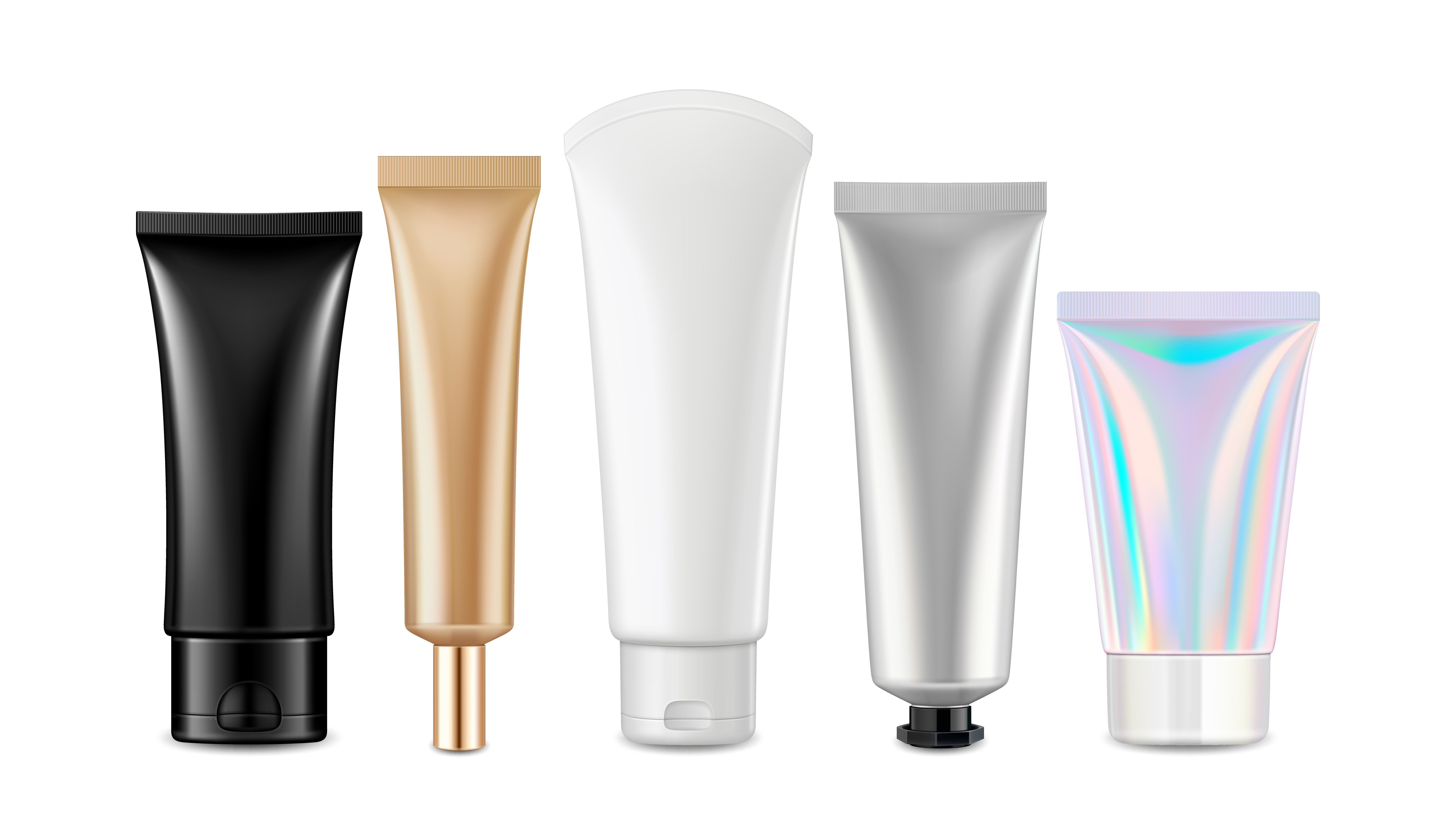
If you’ve ever stood in the skincare aisle wondering why one moisturizer comes in a soft-squeeze tube while another sits in a sleek aluminum one, you’re already halfway into the world of cosmetic tube materials. Behind every tube — whether it’s your sunscreen, lip balm, hair serum, or face wash — is a quiet decision-making process that influences how a product feels, lasts, and even how you connect with the brand.
Most beauty founders don’t start out thinking about packaging technology. They begin with a formula, a mission, maybe a moodboard full of colors and textures. But sooner or later, every brand reaches the same turning point:
“What kind of packaging will protect this product — and tell the right story?”
That’s where understanding cosmetic tube materials becomes essential.
PE Tubes: The Everyday Hero
Think of PE tubes as the reliable friend everyone trusts. They’re flexible, they’re lightweight, and they’re straightforward to work with. Most lotions, gels, sunscreens, and mass-market skincare come in PE tubes for one reason — they’re dependable.
They’re also evolving. Many brands now use PCR (post-consumer recycled) PE, helping reduce virgin plastic use without compromising quality. It’s a step toward sustainable packaging that doesn’t scare away consumers with extreme changes.
Laminated Tubes: Quiet Luxury
Pick up a toothpaste or a medicated cream and you’ll likely feel a laminated tube. It has a slightly firm structure and often a glossy or metallic finish. More importantly, laminated tubes protect formulas that are sensitive to oxygen or UV — ingredients like fluoride, retinoids, or botanical extracts.
ABL (Aluminum Barrier Laminate) and PBL (Plastic Barrier Laminate) tubes are the unsung heroes for formulas that need a “safe room” inside their packaging. They allow creativity on the outside and serious protection on the inside.
Aluminum Tubes: The Artist’s Choice
There’s something romantic about aluminum tubes. They look nostalgic — like artist paint tubes — and feel luxurious in the hand. For serums, hair dyes, ointments, or premium skincare, aluminum creates a perception of craftsmanship and purity.
But beyond aesthetics, aluminum is fully recyclable and naturally protects formulas from light and air. It’s a material that takes sustainability seriously, without shouting about it.
Eco-Friendly Innovations: The Future We’re Walking Into
Packaging is changing. Beauty consumers now want transparency and responsibility — but without sacrificing convenience. That’s why we’re seeing:
- Sugarcane-based PE
- Paper-bodied tubes
- Bio-resin blends
- High-PCR multi-layer options
These materials represent a future where performance and planet-first thinking work together, not against each other.
So… Which Tube Is Right for Your Product?
Choosing a tube isn’t just a technical decision — it’s a branding choice.
Ask yourself:
- Does your formula need extra protection?
- Should your packaging feel premium or accessible?
- Are sustainability commitments part of your brand identity
- Do you want a minimalist, clinical, or artisanal vibe?
When packaging aligns with the product’s story, everything clicks — from shelf appeal to customer trust.



.svg)
