

Serums are among the most powerful products in modern skincare. Packed with active ingredients such as vitamin C, retinol, peptides, and hyaluronic acid, they deliver targeted results—but these ingredients are also sensitive to light, oxygen, and contamination.
Because of this, packaging plays a critical role in protecting the formulation and maintaining product effectiveness. Two of the most popular options used in personal care packaging are glass dropper bottles and airless pump bottles. Each option offers unique advantages depending on the product formulation, brand positioning, and customer expectations.
Understanding the differences between these two packaging types can help brands choose the right solution for their serum products.
Why Serum Packaging Matters
Unlike creams or lotions, serums contain a high concentration of active ingredients that can degrade when exposed to air or bacteria. Poor packaging can reduce the effectiveness of the product before the customer finishes using it.
Effective serum packaging should:
- Protect the formula from oxygen and contamination
- Preserve active ingredient stability
- Provide accurate product dispensing
- Deliver a premium user experience
Both glass droppers and airless pumps address these needs differently.
Glass Dropper Bottles: The Traditional Choice
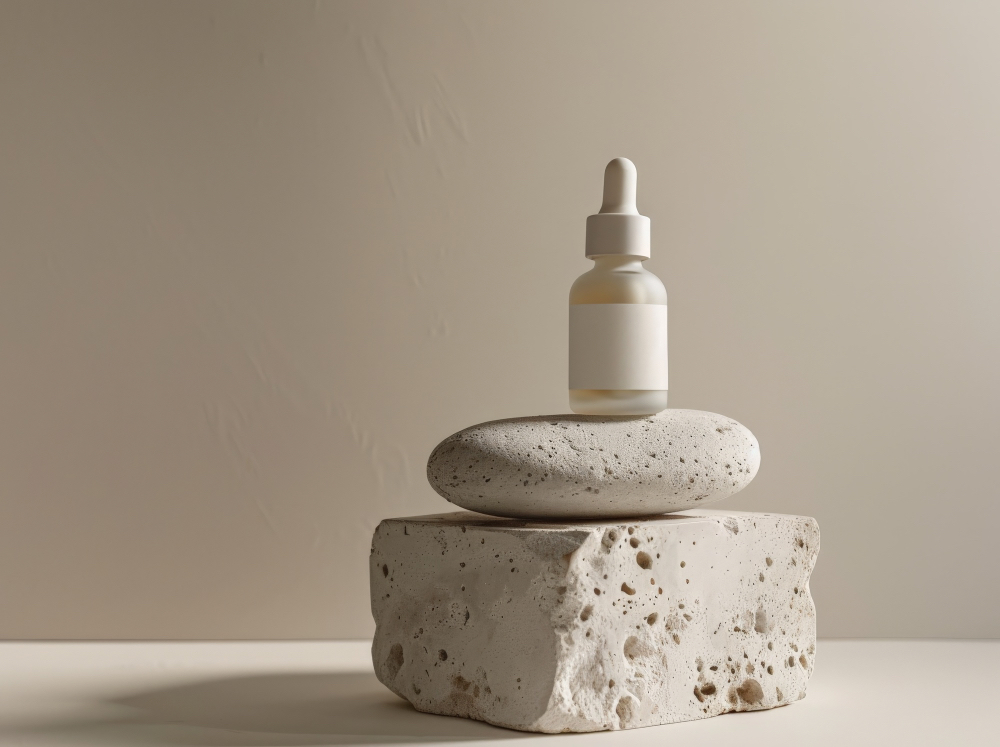
Glass dropper bottles have long been associated with premium skincare. These bottles typically include a glass container paired with a pipette dropper that allows users to dispense small amounts of serum.
Advantages of Glass Dropper Bottles
Premium appearance
Glass bottles have a luxurious look and feel. Their weight and clarity often create a high-end perception, which helps justify premium pricing.
Product visibility
Customers can see how much serum remains in the bottle and also view the product’s color and texture. This can enhance the visual appeal of serums with distinctive shades.
Chemical stability
Glass is chemically inert, meaning it does not react with most skincare formulations. This makes it suitable for products containing acids, essential oils, or natural extracts.
Sustainability benefits
Glass is highly recyclable and often preferred by consumers looking for environmentally friendly packaging. Many users even repurpose glass dropper bottles after finishing the product.
Limitations of Glass Droppers
Despite their popularity, glass droppers have some drawbacks.
Air exposure
Every time the dropper is removed, air enters the bottle. This can oxidize sensitive ingredients like vitamin C or retinol, reducing their effectiveness over time.
Contamination risk
The dropper pipette touches the skin before returning to the bottle, which can introduce bacteria into the product.
Fragility
Glass is breakable, increasing the risk of damage during shipping or everyday use.
Inconsistent dosing
Users may dispense different amounts of serum each time, which can lead to product waste or inconsistent application.
Airless Pump Bottles: The Modern Solution
Airless pump packaging is designed to protect sensitive formulations by minimizing air exposure. These containers use a vacuum system that pushes product upward while preventing outside air from entering.
Advantages of Airless Pump Packaging
Superior product protection
Airless pumps prevent oxygen from entering the container, helping maintain ingredient stability from the first use to the last.
Better hygiene
The pump mechanism eliminates direct contact with the product, reducing the risk of contamination.
Precise dispensing
Each pump delivers a consistent amount of serum, helping customers use the correct dose and reducing product waste.
Higher product usage
Airless systems typically allow customers to use up to 95–98% of the product, compared to lower usage rates with traditional bottles.
Travel-friendly design
Airless bottles are generally leak-proof and convenient for travel.
Limitations of Airless Pumps
Higher cost
Airless packaging is more complex to manufacture, which increases packaging costs.
No product visibility
Most airless bottles are opaque, meaning customers cannot see how much product remains.
Recycling challenges
Airless pumps are made from multiple materials, which can make recycling more difficult compared to glass.
Higher minimum order quantities
Brands often need to order larger quantities of airless packaging, which can increase upfront investment.
How to Choose the Right Packaging for Your Serum
Selecting the right packaging depends on your formulation, brand identity, and customer expectations.
Choose Glass Droppers If:
- Your serum formulation is relatively stable
- Your brand emphasizes natural, organic, or artisanal positioning
- Sustainability and recyclability are key brand values
- Your marketing benefits from product visibility
- You need a cost-effective packaging option
Choose Airless Pumps If:
- Your serum contains oxygen-sensitive ingredients like vitamin C or retinol
- Your brand positions itself as clinical, science-driven, or dermatology-focused
- Hygiene and contamination prevention are critical
- Customers value precision dosing and convenience
- Your pricing supports premium packaging investment
The Future of Serum Packaging
The personal care packaging industry continues to innovate. Brands are exploring refillable systems, recyclable airless packaging, and sustainable materials to meet growing consumer demand for eco-friendly solutions.
Ultimately, the best packaging is the one that protects the formula, enhances user experience, and aligns with your brand values. Both glass droppers and airless pumps have strong advantages, and the right choice will depend on the specific needs of your serum product.
FAQs
1. Which packaging is better for vitamin C serums?
Airless pump bottles are usually better because they prevent air exposure, which helps protect vitamin C from oxidation.
2. Are glass dropper bottles safe for skincare products?
Yes. Glass is chemically stable and does not react with most skincare ingredients, making it a reliable packaging option.
3. Why are airless pumps more expensive?
Airless pumps use advanced vacuum technology and multiple components, which increases manufacturing costs.
4. Do airless pumps reduce product waste?
Yes. Airless pumps allow customers to use nearly all the product inside the container, often up to 95–98%.
5. Are glass bottles more sustainable than airless pumps?
Glass is generally easier to recycle, making it a more environmentally friendly option in many cases.



.svg)
